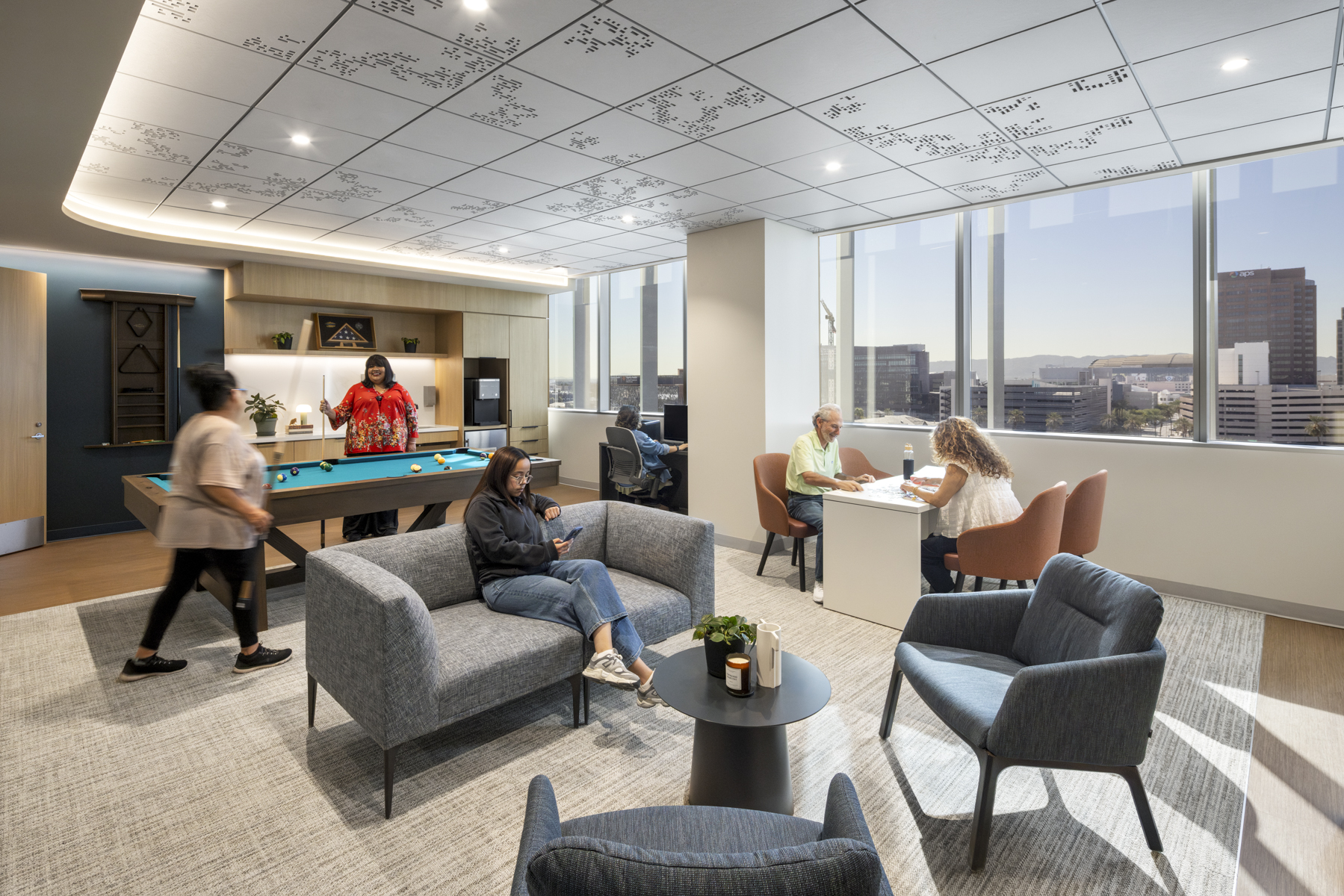
The National Institute of Diabetes and Digestive and Kidney Diseases (NIDDK) opened a new 35,000 square foot Clinical Research Unit at 850 PBC in downtown Phoenix, creating a dedicated environment for advancing diabetes, metabolic and related health research.
The facility brings together highly specialized research spaces with workplace and hospitality environments designed to support researchers, staff, study participants and visiting families.
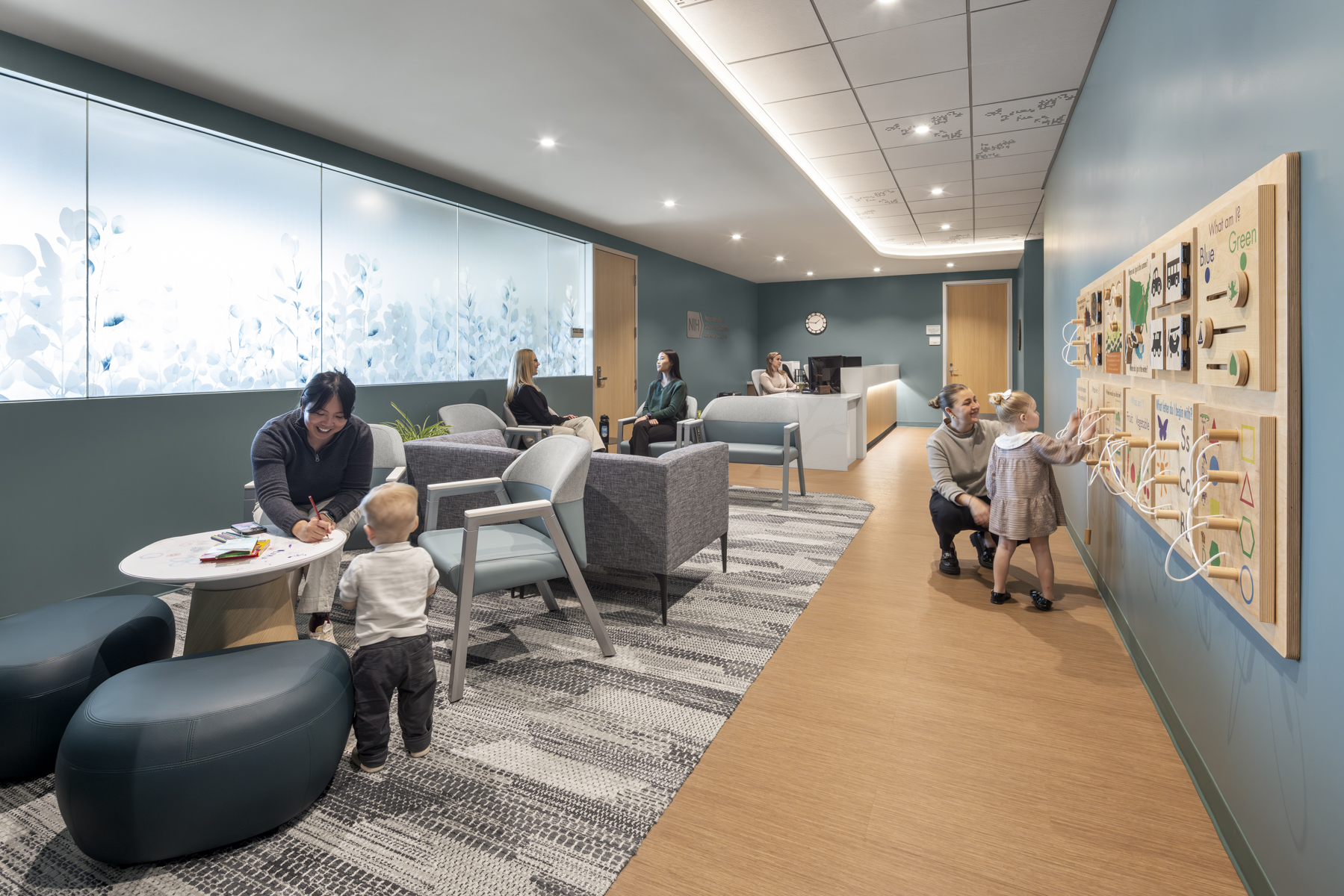
Atmosphere partnered with SmithGroup to furnish a variety of spaces throughout the facility, including open workstations, private and collaborative meeting areas, conference and training rooms, cafe and dining spaces, participant lounges, recreation areas and family-friendly waiting spaces.
Furniture selections range from ergonomic task and conference seating to flexible training tables, lounge furniture, cafe seating and ancillary pieces, creating a balance between high-performance workplace needs and a warmer, more residential experience.
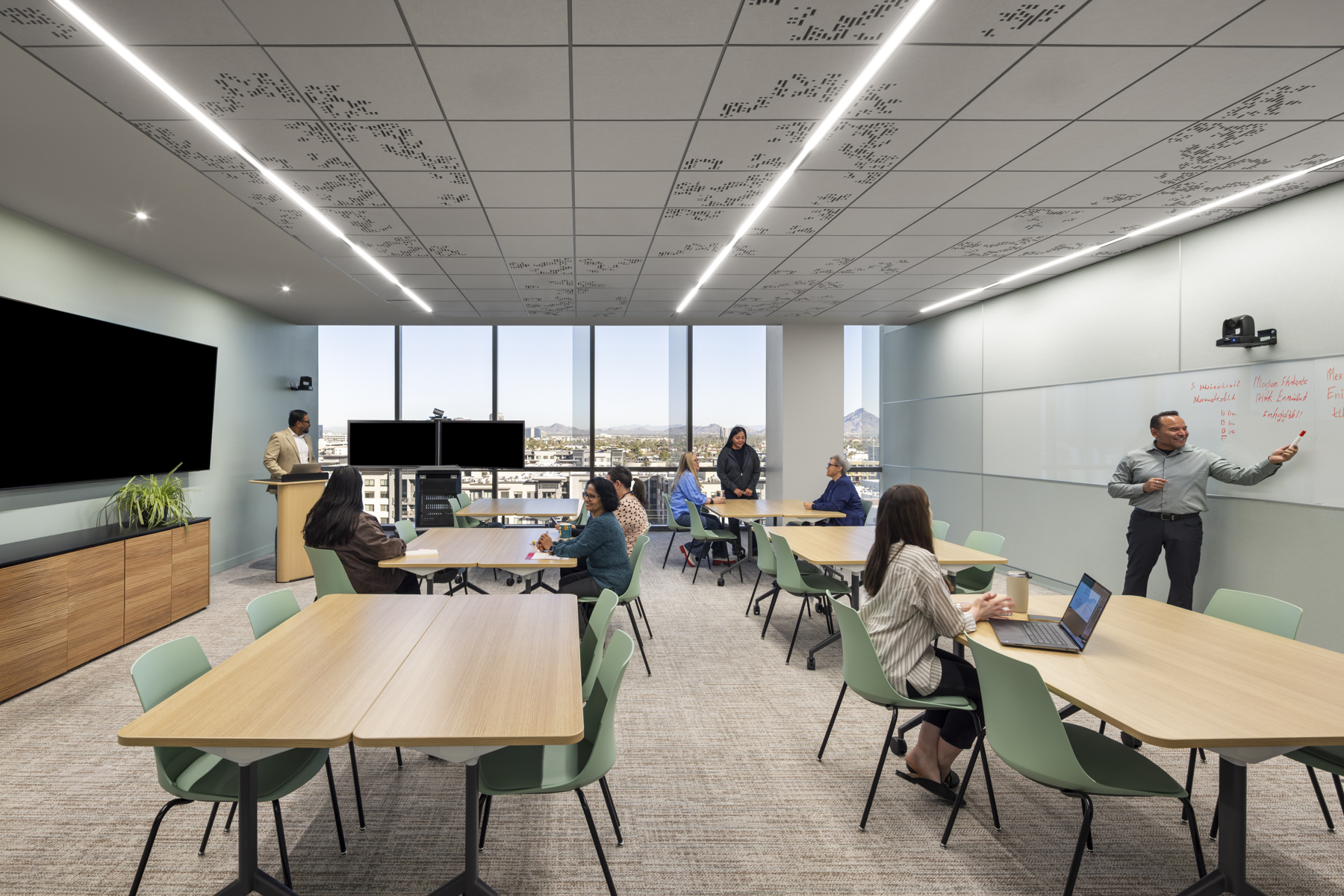
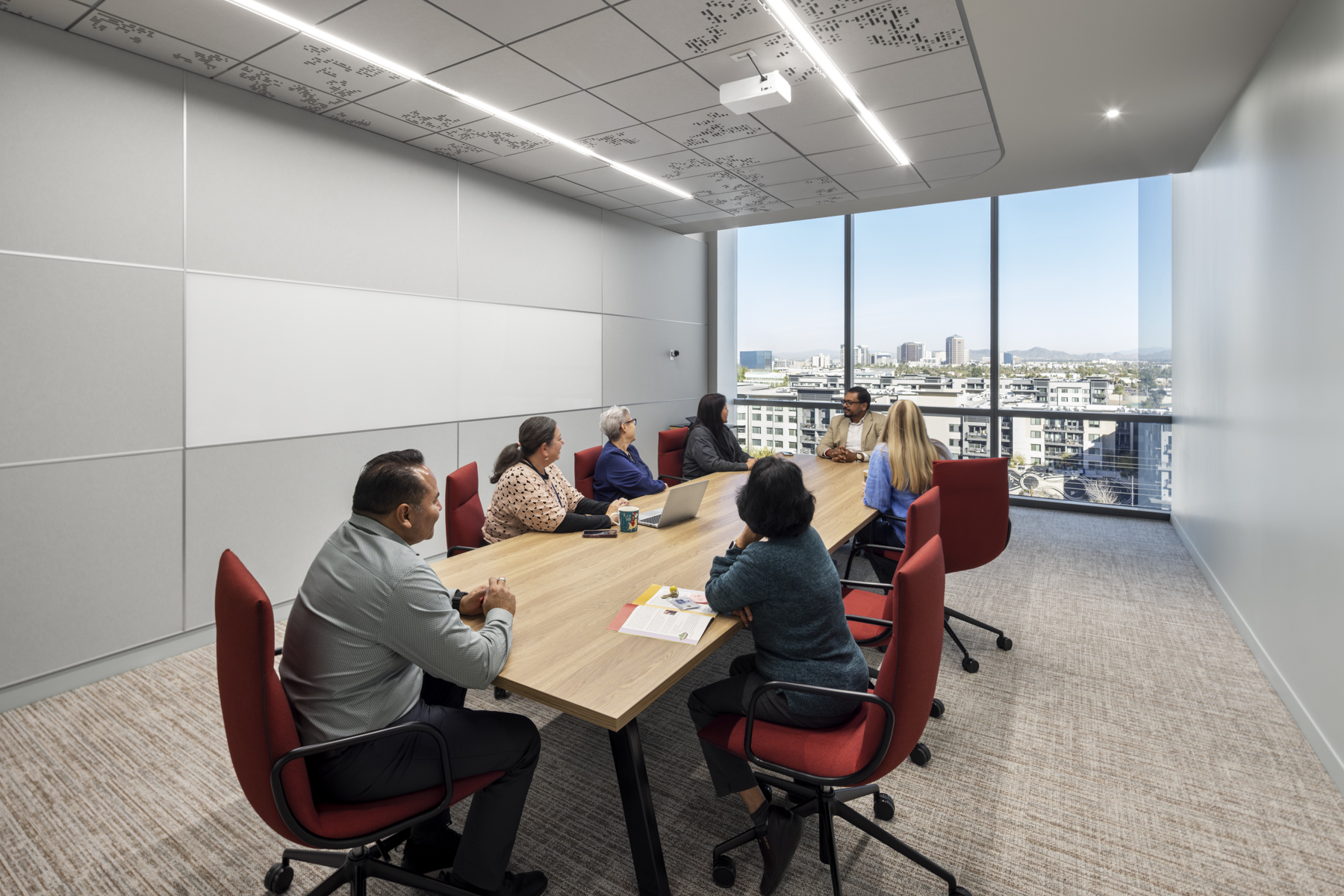
Open office neighborhoods with task seating, integrated storage and elevated privacy panels define researcher’s personal workspaces while maintaining visual connection across the room. A variety of meeting settings accommodate different group sizes and work styles and include expansive meeting tables and mobile conference seating.
The spaces outside the clinical environment play an especially important role and are where the design introduces residential and hospitality-inspired pieces to create a more approachable, comfortable, and less-institutional feel.
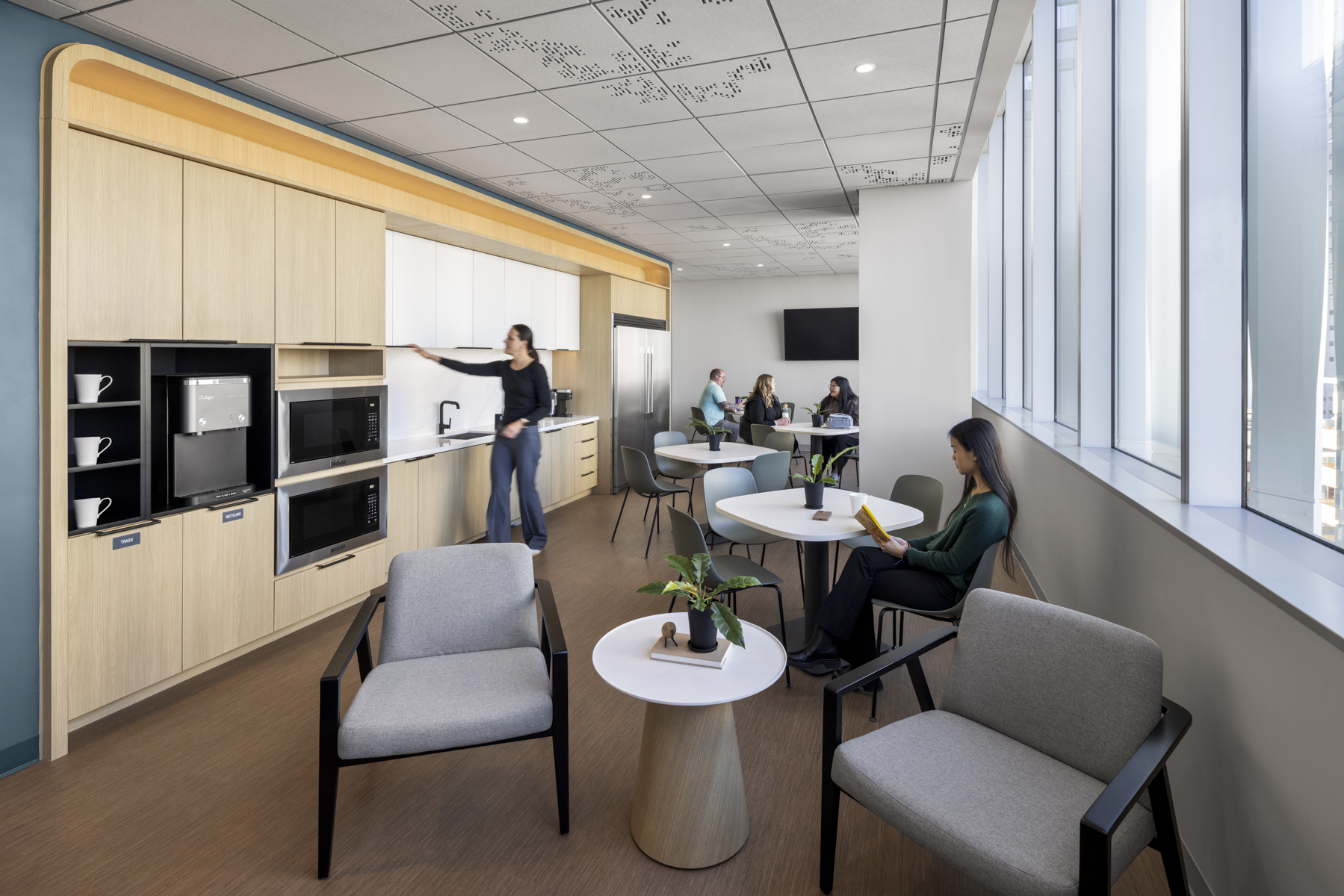
The cafe, break and recreation lounge spaces blends traditional dining furniture and lounge furniture to provide staff and participants with several choices for eating, working or connecting throughout the day.
The final design creates a deliberate transition between focused workplace, collaborative, learning, hospitality, and clinical environments. In a space with researchers, staff, participants, and families all share the same environment, flexible furnishings allow for the need to adapt on demand.